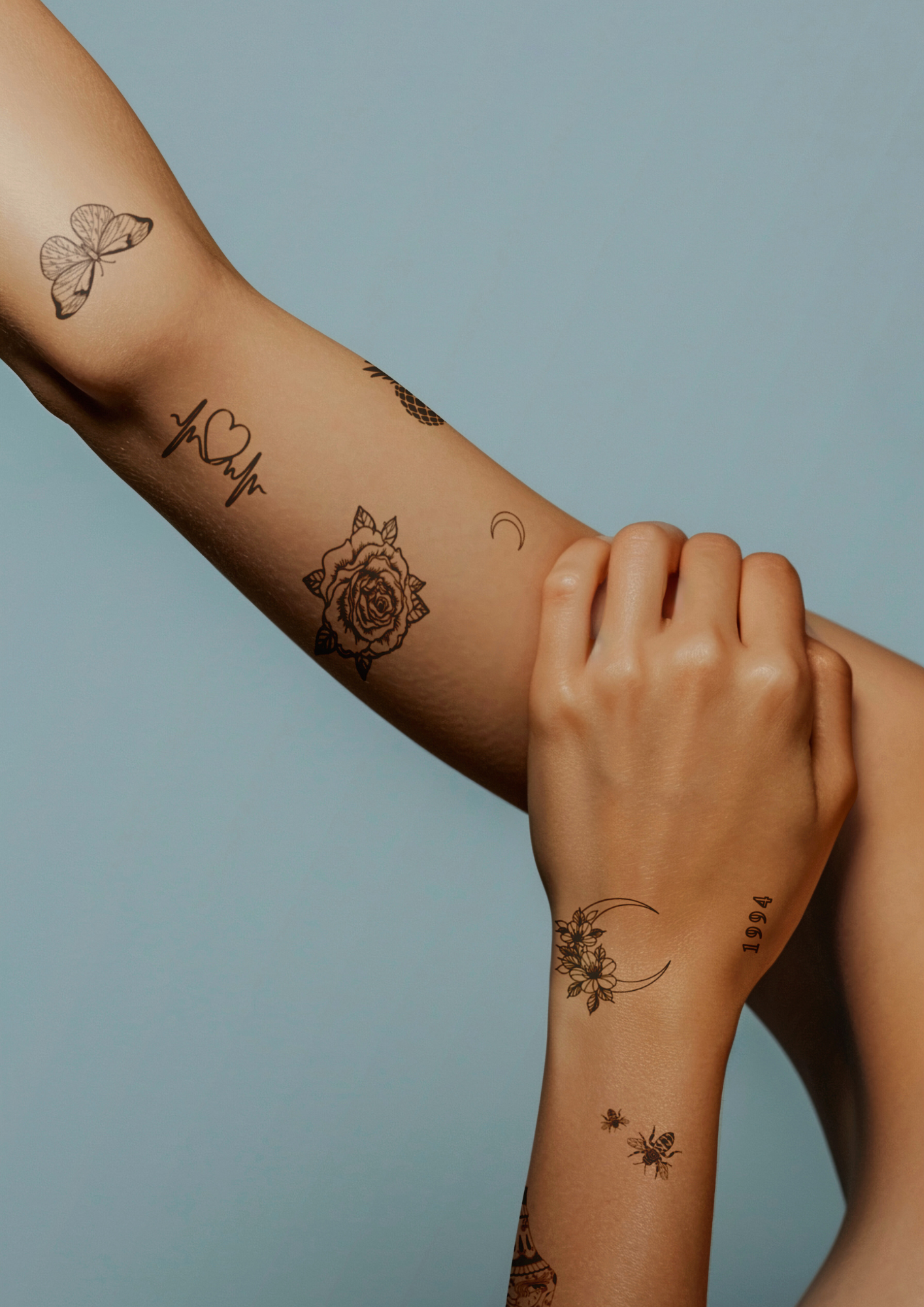


In short: Put a two-day-old jagua design next to a two-day-old henna stain and you'll see the difference before reading a word. Jagua comes up blue-black, the color of tattoo ink. Henna stains orange, then deepens to reddish-brown. Jagua comes from a fruit and a molecule called genipin; henna comes from a leaf and a molecule called lawsone. Both fade as your skin renews, usually within a few weeks. Want something that passes for a real tattoo? Pick jagua. Dressing hands for a wedding? Pick henna.
Two plants, two molecules, one shared trick
The jagua vs henna question starts in two very different places. Jagua is the fruit of Genipa americana, a tree of the tropical Americas that grows from the Caribbean down to Argentina. In English it's also called genipap. Henna is made from the dried, powdered leaves of Lawsonia inermis, a shrub long tied to North Africa, the Middle East and South Asia.
Each color comes from a single molecule. In jagua it's genipin, which a study in the Journal of Food Science and Technology describes as colorless. It only turns blue when it reacts with amino acids and proteins, with air playing its part. In henna it's lawsone. Researchers writing in Scientific Reports name it as the pigment behind henna's red, at about 1 to 2 percent of the leaf.
So the trick is shared. Both molecules bind to protein in the top layers of your skin, and both leave when those layers shed. Only the color differs. Which is the whole story.
A label note. "Jagua henna" is a shelf label, not a fact. Jagua contains no henna. It just gets sold next to it. Genipin ink, jenipapo ink and genipapo ink are jagua too, under other names; our explainer on what jagua is lists them all.

Blue-black against orange-brown
Here's what you'll actually see. Henna paste comes off to reveal an orange stain. Over the next 2 to 4 days it darkens, according to WebMD's medically reviewed guide to henna. It goes darkest on hands and feet, which hold the most keratin. The US Food and Drug Administration puts henna's usual result at brown, orange-brown or reddish-brown.
Jagua goes the other way. Right after application, the design is a gray line so faint that most first-timers assume it failed. Then the color climbs, over 24 to 36 hours, to blue-black. Only blue-black: genipin makes one color, so if you've seen "red jagua" for sale, ask what's really in the tube. The illustration below shows that climb: one design on one inner arm, from application to two days later.

That shade is the case for jagua. Blue-black reads as tattoo ink in a way orange never will. Henna doesn't try to look like a tattoo. It looks like henna, which is rather the point.
Jagua vs henna, side by side
| Jagua | Henna | |
|---|---|---|
| Comes from | The fruit of Genipa americana | The leaves of Lawsonia inermis |
| Coloring molecule | Genipin | Lawsone |
| Color on skin | Blue-black | Orange, darkening to reddish-brown |
| Time to full color | 24 to 36 hours | 2 to 4 days |
| How long it lasts | One to two weeks | Usually fades after about three weeks |
| How it goes on | Printed tattoo in about 2 minutes, or gel left on 2 h 30 to 4 h | Paste left on for hours; longer gives a deeper stain |
| Best spots | Forearm, shoulder, nape, upper back (longest hold) | Hands and feet (darkest stain) |
| PPD | None in our tattoos | None in pure henna; often found in products sold as "black henna" |
If you only read one row, read the third. Most jagua vs henna decisions are made right there.
Does jagua last longer than henna?
Not usually. On jagua vs henna wear time, if anything, henna can hang on a little longer. A jagua tattoo lasts one to two weeks, and anyone promising you a month of jagua is selling something. A henna stain usually fades after about three weeks, say dermatologists writing for DermNet. WebMD's guide puts the outer limit at six weeks, depending on sun and water.
So which henna lasts the longest? Not a different henna, just better conditions: paste left on long enough, then a stain kept out of the sun and water. The paste needs time. The longer it stays on, the more lawsone moves into your skin, explains a study in the International Journal of Environmental Research and Public Health. Hands and feet take the darkest stain. Handy, since that's where a lot of mehndi goes anyway.
Placement matters more than the ink. With jagua, the forearm, shoulder, nape and upper back keep their color longest because they're rubbed and washed least. Hands, fingers and feet lose it faster. Henna behaves differently there: hands and feet take its darkest stain.
Jagua is waterproof, since the color sits in your skin, not on it. Long soaks in a chlorinated pool, heavy sweat and friction just speed up the fade.
Previewing a tattoo you might get for real? Jagua, on the forearm, palm-sized. Two fair weeks to decide.
Paste, gel or a printed tattoo
Henna is a paste, and it asks for patience. WebMD's guide says to wash it off after 2 to 6 hours. Leave it longer and the stain goes deeper.
Jagua comes two ways. The gel goes on like henna paste: you draw, then let it dry for up to an hour until it's matte and slightly cracked. Leave it for at least 2 hours 30 minutes, up to 4 hours if you want more depth, then rinse with lukewarm water and no soap. Don't sleep in it. Jagua doesn't get darker overnight, it just smudges onto your sheets. Our guide on how to apply jagua gel walks through every step.
The printed tattoo skips the drawing. Clean and dry the skin, place the design face down, press a damp sponge on the back for about 30 seconds, and peel. Two minutes. Keep it away from water and rubbing for 8 hours.
Never drawn on skin before? Start printed. The lines come out exactly as designed, and you can save the gel for when your hand feels steadier.

Jagua vs black henna
Pure henna can't get anywhere near as dark as the stuff sold under that name. The FDA explains that other ingredients are often added to darken it, and that the extra ingredient is often a coal-tar hair dye containing PPD (p-phenylenediamine). PPD isn't permitted in US cosmetics meant for the skin. The same agency points out that henna itself is approved only as a hair dye there, not for direct use on skin.
The NHS adds the part people find out too late. The paste used for "black henna" tattoos can contain high levels of PPD. Having one can raise your risk of a reaction the next time you use a PPD hair dye.
Jagua is not that. Our tattoos contain no PPD, and the gel's color comes only from jagua juice. Still, no cosmetic suits every skin. If you're allergic to mango, papaya or kiwi, try a small patch 48 hours before. Keep it off damaged skin and away from your eyes. If it itches, rinse with cold water, put nothing else on it, and see a doctor if it doesn't settle. We cover the rest in the dangers of black henna and in our jagua safety guide.
Henna has a guest list. Jagua has a backstory.
Henna carries a weight jagua doesn't, at least where most of our readers live. In an essay published by Folkstreams, Tammana Begum describes henna patterns applied to men and women for weddings and festivals. The practice continues in India and Pakistan. She also describes a Moroccan Jewish wedding custom in which elders smudge henna onto the couple's palms.
Customs vary from family to family, so we won't tell you what a mehndi night should look like. But if the occasion calls for henna, use henna. A blue-black jagua design is a different thing, not a stand-in.
Jagua has its own past. The genipin study notes that genipap pulp was widely used by Indigenous peoples in Brazil for body painting and ceramics. Same blue as yours. Older brush.
And where does a permanent tattoo fit?
Is henna permanent? No, and neither is jagua: both fade as your skin renews. A permanent tattoo is a different technique. A needle puts pigment deeper into the skin, where it stays, and removing it is slow and uncertain. On the henna vs real tattoo question, henna doesn't look like ink at all. Jagua is the closest preview without a needle, and we compare the two in jagua vs permanent ink tattoos.
So, jagua or henna?
Here's our jagua vs henna verdict. Pick henna if you love its warm orange-brown, if a tradition asks for it, or if you're decorating palms and fingers. Pick jagua if you want blue-black line work that looks like a tattoo, or if you're testing a design before a needle ever touches you.
There's a middle ground we're fond of: henna-style lotus and mandala patterns, printed in jagua blue-black.
 A mehndi-style lotus, below the collarbone
 A lotus mandala with beaded drops, upper arm
 An ornamental butterfly, back of the arm
All three come from our temporary tattoo collection, every design printed in jagua ink. Got a pattern of your own, maybe from a family mehndi? A custom jagua tattoo starts at three copies and is made in 3 to 4 weeks.
Orange for the wedding. Blue-black for the tattoo you're still deciding on.

Henna patterns, tattoo-ink blue.
Jagua ink that turns blue-black in 24 to 36 hours. On in 2 minutes, on your skin for 1 to 2 weeks.
Waterproof · No needles · PPD-free · Vegan
Questions people ask about jagua and henna
How long do I leave jagua henna on for?
If you mean jagua gel, let it dry for up to an hour. Then leave it on for at least 2 hours 30 minutes, up to 4 hours for a deeper color. Rinse with lukewarm water and no soap. Don't leave it overnight: it won't get darker, it will smudge. A printed jagua tattoo needs no waiting at all, just 8 hours away from water and rubbing.
How long will a jagua tattoo last?
One to two weeks. The forearm, shoulder, nape and upper back keep the color longest; hands, fingers and feet fade faster. The color takes 24 to 36 hours to develop, so put it on two days before the event.
How long does mehendi last?
Mehendi, or mehndi, is henna, so it follows henna's timeline. The stain darkens over 2 to 4 days and usually fades after about three weeks, sooner with lots of sun and water. Hands and feet keep it darkest.
What are the disadvantages of henna?
Its color range stops at orange and reddish-brown, so it never reads as tattoo ink. The paste needs hours on the skin, and the stain needs days to reach its final shade. In the US, the FDA approves henna only as a hair dye, not for skin. And anything sold as "black henna" may contain PPD, which the NHS links to reactions.
Are henna tattoos OK?
Pure henna stains orange to reddish-brown, and that color is your best clue. Avoid anything promising a dark "black henna" result: the FDA says those products often contain PPD. If your skin reacts, rinse and see a doctor.
Is henna for hair different than henna for skin?
The plant is the same, Lawsonia inermis, and in the US henna is approved only as a hair dye. Products for hair can have other ingredients added to change the shade, so read the label. Products sold as "black henna" for skin are a different matter, and the FDA warns they often contain PPD.
Is henna permanent?
No. Henna stains the outermost layer of your skin, which renews, so it fades on its own, usually after about three weeks. Jagua fades the same way, over one to two weeks.
Is jagua a type of henna?
No. Jagua is a fruit, Genipa americana, and its color comes from genipin. Henna is a leaf, Lawsonia inermis, and its color comes from lawsone. "Jagua henna" is a sales label for two products that happen to share a shelf.
Sources
- Bentes AS, de Souza HAL, Amaya-Farfan J, Lopes AS, de Faria LJG. "Influence of the composition of unripe genipap (Genipa americana L.) fruit on the formation of blue pigment." Journal of Food Science and Technology, 2015. pmc.ncbi.nlm.nih.gov
- Lozza L, Moura-Alves P, et al. "The Henna pigment Lawsone activates the Aryl Hydrocarbon Receptor and impacts skin homeostasis." Scientific Reports, 2019. pmc.ncbi.nlm.nih.gov
- US Food and Drug Administration. "Temporary Tattoos, Henna/Mehndi, and 'Black Henna': Fact Sheet." FDA.gov, 2024. fda.gov
- NHS. "Hair dye reactions." NHS website, 2025. nhs.uk
- Dyall-Smith D, updated by Elghblawi E. "Black henna tattoo reaction." DermNet, 2019. dermnetnz.org
- Begum T. "The Henna Plant: Transcending Time, Religion and Culture." Folkstreams. folkstreams.net
- Altomara D, medically reviewed by Gardner SS. "What Is Henna?" WebMD, 2026. webmd.com
- Al-Suwaidi A, Ahmed H. "Determination of para-Phenylenediamine (PPD) in Henna in the United Arab Emirates." International Journal of Environmental Research and Public Health, 2010. pmc.ncbi.nlm.nih.gov