

If you've reacted to box dye, switched to a "PPD-free" alternative like Madison Reed, then reacted again — you're not alone. The American Contact Dermatitis Society named PTDS (the chemical that replaces PPD in most "PPD-free" dyes) the Allergen of the Year for 2025. About half the people allergic to PPD eventually react to PTDS too. The chemical alternatives keep getting renamed, but the underlying problem stays the same.
This is where hengua comes in. It's a blend of jagua fruit extract and traditional henna — two plant dyes that, together, produce real black hair color without PPD, without PTDS, without ammonia. Almost nobody's talking about it on the US side yet. Here's the science, the ratios, the step-by-step, and an honest read on whether it's right for your hair.

Why "PPD-free" usually isn't enough
Most "PPD-free" hair dye brands replace PPD with a chemical cousin called PTDS (toluene-2,5-diamine sulfate). Madison Reed, Wella Koleston Perfect, Schwarzkopf Simply Color — they all use either PTDS or a modified PPD called ME-PPD.
The problem? About 50% of people allergic to PPD also react to PTDS, according to clinical patch testing data cited by the American Contact Dermatitis Society. That's why ACDS named PTDS the Allergen of the Year in 2025 — to flag a quiet allergy crisis hiding behind "PPD-free" labels[1].
If you've patch-tested negative for PTDS, those products may work for you. If you haven't tested, or you've already had a reaction to one of them, you need a real plant-based option. That's hengua's lane.
What is jagua, exactly?
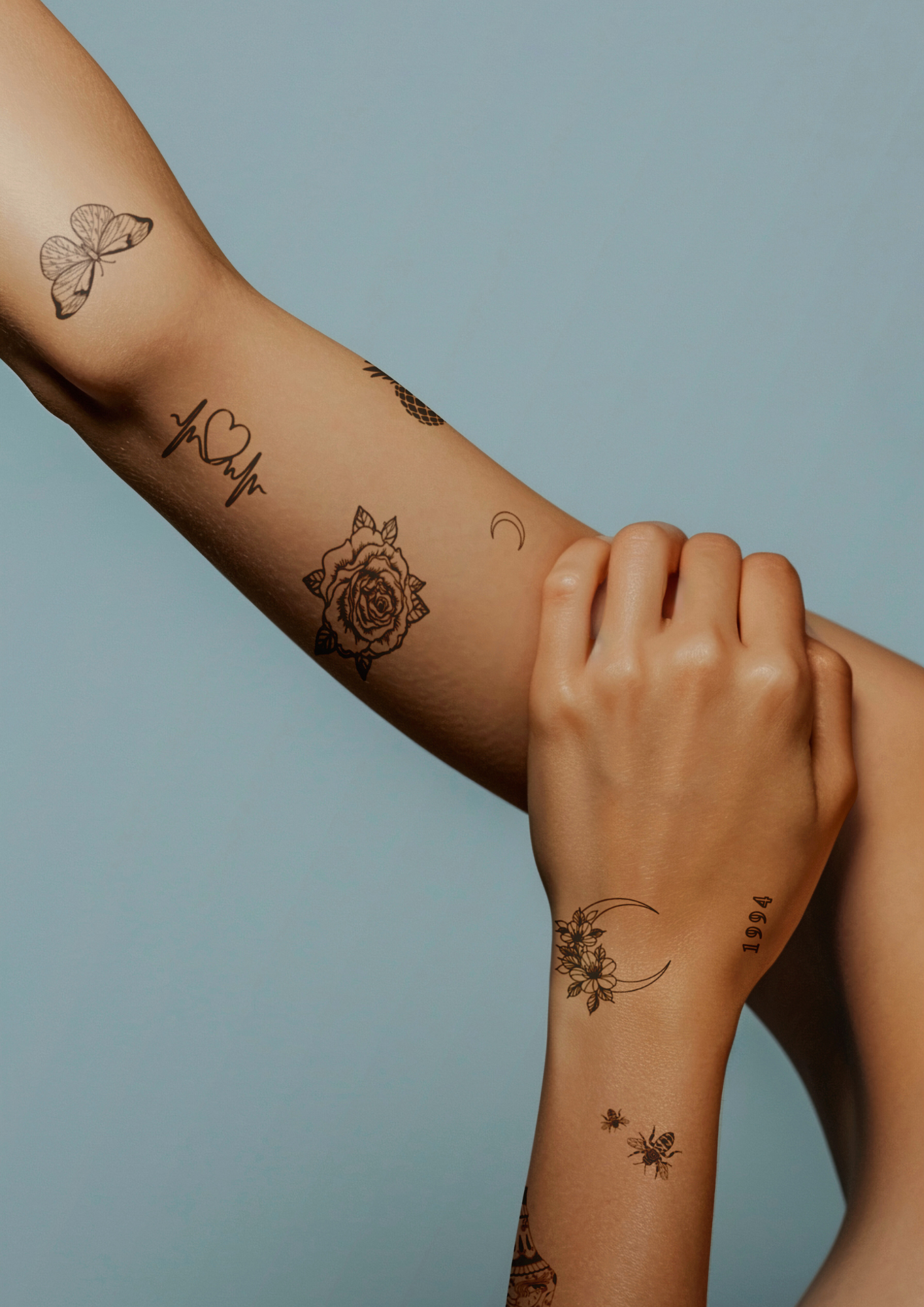
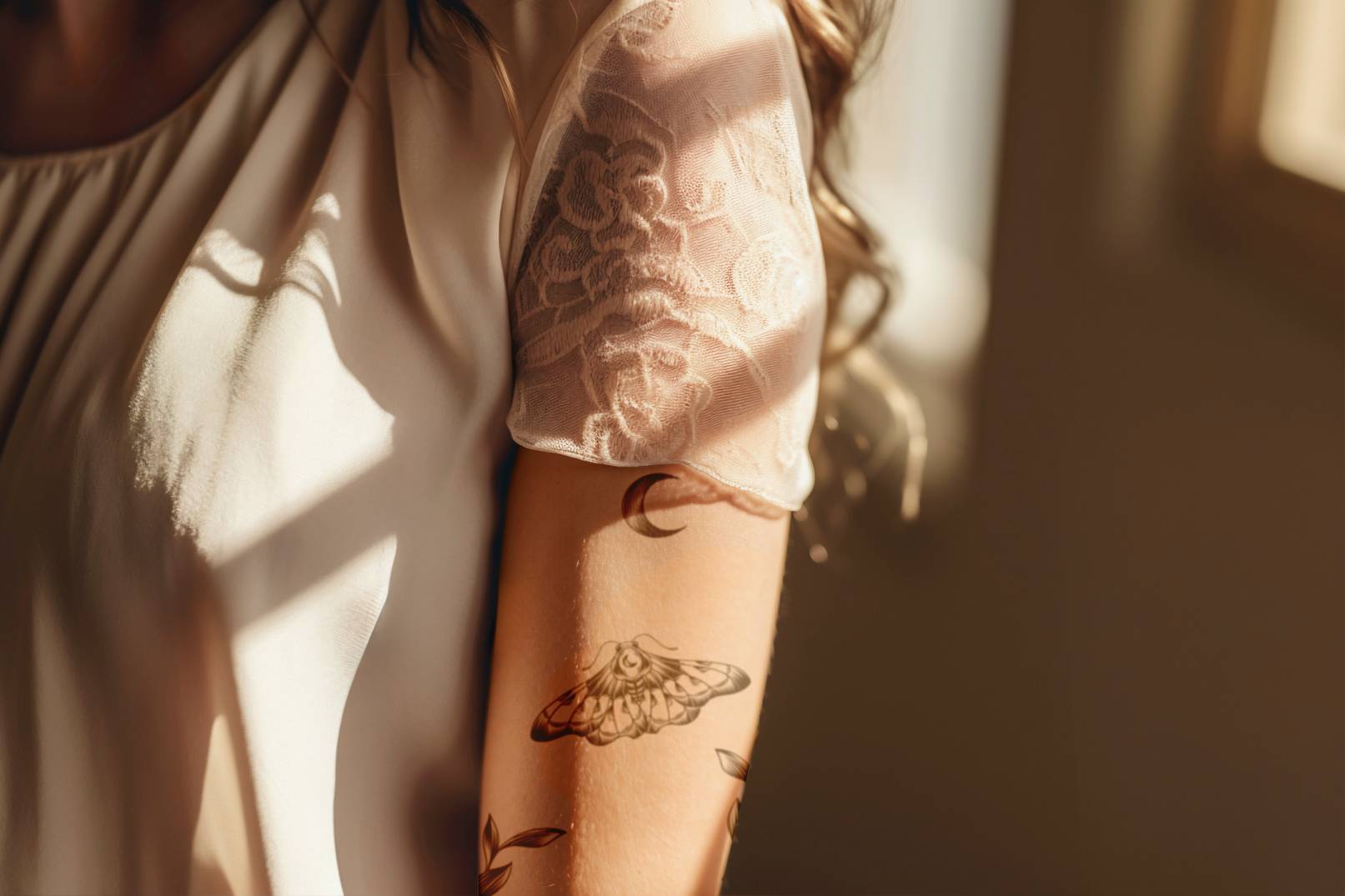
Jagua comes from the unripe fruit of the Genipa americana tree, native to the Amazon. People in Central and South America have used its juice for body art and ceremonial markings for hundreds of years. The active compound — genipin — reacts with proteins in skin and hair to create a deep blue-black stain. If you've seen a jagua temporary tattoo that looks indistinguishable from real ink, that's genipin at work.
But here's what nobody tells you up front: jagua alone doesn't work great on hair. On skin, it's phenomenal. On hair, the different protein structure means genipin doesn't bind as reliably — you get patchy, unpredictable results. Too blue here, barely visible there.
That's where henna enters the picture. Henna contains lawsone, a red-orange dye that bonds permanently with keratin. Mix henna with jagua and you get a synergy: the henna provides a stable base with excellent keratin bonding, the jagua adds cool blue-black tones to cancel henna's natural orange. The result is a predictable plant-based dark color that neither does on its own.
Hengua is NOT "black henna"
This confusion is dangerous, so let's clear it up. "Black henna" is not a natural product. It's traditional henna mixed with PPD — the same chemical that triggers severe allergic contact dermatitis. On skin, PPD-laced "black henna" causes blistering, chemical burns, permanent scarring, and lifelong sensitization. The FDA warns specifically against it[2].
Hengua is the opposite of black henna. Where "black henna" achieves dark color through synthetic chemistry, hengua achieves it through two plant compounds working together. Zero PPD. Zero PTDS. Zero synthetic dyes.
If anyone offers you "black henna" — at a beach stand, a festival, online — walk away.
The science: how jagua and henna work together

Pure henna = lawsone (red-orange dye molecule) + keratin bonding = permanent warm tones, plus conditioning. Reliable, but you'll never get black or cool brown from henna alone.
Jagua alone = genipin (blue-black pigment) + protein reaction = cool darkness. Beautiful on skin, inconsistent on hair by itself.
Hengua = lawsone + genipin working together. The henna anchors the color and conditions the hair shaft. The jagua cancels the orange and adds depth. Result: natural-looking dark brown to blue-black — more predictable than jagua alone, darker and cooler than henna alone.
If you have a PPD or PTDS allergy: what you need to know
This section is for the readers most likely to actually need hengua: people who've had at least one bad hair dye reaction.
Hengua contains zero PPD and zero PTDS. It also contains none of the related synthetic amines that cross-react with PPD allergies — no PABA derivatives, no aromatic amines, no oxidative dye chemistry. It's just two plant powders mixed with water.
That said, plant-based does not mean reaction-proof. Two real risks remain:
- Tropical fruit allergy. Jagua is a fruit. People allergic to kiwi, papaya, mango, or pineapple should be extra cautious — there's some cross-reactivity reported.
- Henna sensitivity. Pure henna allergies exist but are rare. They show up as scalp itching, not blistering. If you've used henna before without issue, you're probably good.
One published case to be aware of: in July 2025, the British Journal of Dermatology documented allergic contact dermatitis from a "jagua henna" product in a patient who tested negative for PPD but positive for jagua[3]. An earlier case was reported in Clinical and Experimental Dermatology in 2020[4]. Two case reports across five years — not a population trend, but real and worth knowing about.
The critical difference between hengua reactions and PPD reactions: PPD sensitization is permanent and cascading. Once sensitized to PPD, you can react to textile dyes, leather, rubber, and certain medications for life. Jagua reactions, when they occur, are typically localized (scalp redness or itching) and don't create that cascade. Different risk category entirely.
Do this every time, regardless of your history: patch test on the inner elbow, 48 hours before full application. Any redness, swelling, or itching = stop. The 48 hours matters — most allergic reactions are delayed-type and don't show up at 4 hours.
Mixing ratios for every shade

The ratio controls the final color. Start conservative — you can go darker next time, but you can't lighten plant dyes once they're in.
20% jagua / 80% henna → Subtle darkening, deep auburn
Cool-toned auburn. Best for first-timers testing how jagua plays with their hair, or for adding depth to red tones without going dark.
40% jagua / 60% henna → Rich chocolate brown
Dark maroon-brown with subtle red in direct sunlight. Best for medium brown hair and early gray coverage.
50/50 → Deep brown-black
Very dark brown. Reads as black indoors, hints of warm brown in sun. Best for significant gray coverage and people wanting "natural-looking dark."
75% jagua / 25% henna → Blue-black
Near-black with cool blue undertones. The henna minimum is what keeps results predictable — going below 25% henna risks patchy spots.
Always strand test before going full-head. Grab hair from your brush, mix a small amount at your chosen ratio, apply to the strand, wait 48 hours. Hair color, porosity, and existing dye residue all change the outcome.
Step-by-step application
What you'll need

BAQ (body art quality) henna powder, jagua powder or liquid jagua extract, warm water, essential oil (lavender or eucalyptus, 1-2 tsp per 100g of powder), glass or stainless steel bowl, gloves, old towel, plastic cap or cling wrap. For shoulder-length hair: roughly 25g jagua + 25g henna + ~4 tablespoons warm water.
US suppliers: Henna Sooq (hennasooq.com) is the gold standard for BAQ henna. Mehandi.com is the other go-to. For jagua, our 100 ml jagua gel uses the same pure Genipa americana extract — portion what you need for hair, freeze the rest. Avoid Amazon "instant black henna" listings entirely — many contain PPD despite claiming to be natural.
1. Patch test — 48 hours before (non-negotiable)
Apply a small amount of mixed paste behind your ear or on the inner elbow. Wait 48 hours. Any redness, itching, or bumps means stop. Especially important if you've reacted to hair dye before, or if you have tropical fruit allergies (kiwi, papaya, mango, pineapple).
2. Mix your powders
Combine dry powders at your chosen ratio. Add warm water gradually until you hit a yogurt-like consistency — not runny, not stiff. No lumps. Add essential oil. Cover with plastic wrap and let it sit at room temperature for 12-24 hours so the dye releases. The surface should look darker and slightly oxidized when ready.
3. Prep your hair
Wash with clarifying shampoo. No conditioner. You want to strip oils and product buildup so the dye bonds directly with the hair shaft. Dry completely. Apply Vaseline along your hairline, ears, and the back of your neck — hengua stains skin aggressively.
4. Apply
Gloves on. Section your hair and apply generously, roots to tips. Gray hair is stubborn — saturate it fully and give it extra attention. Pile your hair up, cover with a plastic cap, then wrap with an old towel for warmth.
5. Wait
2 to 4 hours. Longer = darker. Some people sleep in it for max intensity (old towel on the pillow). Keeping your head warm helps the dye penetrate.
6. Rinse and wait
Cool to lukewarm water only. No shampoo for 48-72 hours after rinsing. Hengua takes forever to fully rinse out — keep going until the water runs mostly clear. Conditioner is fine to help loosen residue. Don't panic if the color looks light right after rinsing. Hengua darkens a lot over 24-72 hours as it oxidizes — same process as a jagua tattoo on skin. The color at 48 hours is your real result.
Results by hair type

Hengua doesn't lift, so your starting color matters a lot. Here's what to expect by hair type.
Blonde to light brown — biggest change. Even a 50/50 ratio shifts blonde hair to deep brown-black in one session. Strong cool undertones. This is the hair type where hengua looks most dramatic.
Medium to dark brown — adds depth and a cool undertone, plus shine. The change reads more as "brunette enhancement" than "color transformation." Use 75/25 jagua-heavy if you want noticeable darkening; 50/50 for tonal adjustment.
Gray hair / silver coverage — full coverage requires generous saturation and longer processing (3-4 hours minimum). Grays take pigment differently than pigmented hair. Many people use a higher henna ratio (40/60 or 50/50) for the first application to anchor color, then jagua-heavier for subsequent touch-ups.
Black or very dark hair — adds shine and a slight cool shift but no dramatic color change. Hengua can't lighten, so if your hair is already near-black, you're working with shine and conditioning more than color.
Textured and curly hair — hengua is generally well-tolerated and can actually loosen curl patterns slightly with repeated use (lawsone is mildly relaxing). Communities like r/Hennaheads on Reddit have detailed threads on this — worth searching before your first application if you have 4a-4c curls.
Hengua vs other natural alternatives
| HENGUAjagua + henna | PURE HENNA | HENNA + INDIGO | CASSIAneutral henna | COFFEE / TEArinse | |
|---|---|---|---|---|---|
| Color result | Blue-black to dark brown | Red-orange to auburn | Brown to true black | Golden on light hair only | Very subtle darkening |
| Gray coverage | Excellent | Good orange on grays | Excellent | Excellent | Minimal |
| Hair condition | Improves | Excellent | Warning | Good can dry | Neutral |
| Time | 3–5 h 1 step | 3–5 h 1 step | 5–8 h 2 steps | 2–3 h 1 step | 30 min rinse |
If you want dark, cool-toned results without PPD, hengua and henna+indigo are the only two that actually deliver. Hengua is one step. Henna+indigo is two separate applications and can dry hair more. Both condition far better than any box dye.
How much does hengua cost?
Per application, for shoulder-length hair:
- Hengua DIY — about $12-20 (25g BAQ henna ≈ $4-7, 25ml liquid jagua ≈ $8-12, plus oil and prep)
- Box dye — about $8-12 ($6-10 if drugstore, $10-15 for "natural" brands)
- Salon black color — about $60-120 single process, more with toning or gloss
- Madison Reed / Hairprint / EcoColors mail order — about $25-35
Annual cost (touch-ups every 3-4 weeks, full refresh every 6-8 weeks):
- Hengua DIY: roughly $200-300/year
- Box dye: roughly $150-200/year
- Salon black: roughly $700-1,400/year
Hengua isn't the cheapest option — it's about 30-50% more than drugstore box dye. But it's also the only one of the four with zero PPD, zero PTDS, and net positive effect on hair condition. Different math when you factor in the long-term cost of chemical damage or a dye allergy.
Who should and shouldn't try hengua
Hengua works well if:
- You have a PPD or PTDS allergy
- You have a sensitive scalp or have reacted to chemical dyes
- You're going for dark brown to blue-black
- You're covering grays naturally
- You're in the natural hair or clean beauty space and done with synthetic ingredients
Skip it if:
- You're allergic to tropical fruits and haven't patch tested
- You want to go lighter — hengua doesn't lift, it only darkens or deepens
- You've used chemical dye in the last 6 months — hengua over chemical residue can produce green, purple, or muddy tones
- You need a 30-minute job — this is 3-5 hours plus 24-48h for full color development
- You want to be able to easily reverse it — henna is permanent and doesn't lift
Troubleshooting and maintenance
Too orange, not dark enough? Bump up the jagua next time. Quick fix: apply a 75/25 jagua-heavy gloss over the existing color for 2 hours.
Patchy or uneven? The application wasn't thorough. Remix, section carefully, and saturate every strand. Grays especially need extra time and saturation.
Hair feels dry? Either too much jagua or too long a processing time. Deep condition with coconut or argan oil weekly. Increase your henna ratio next round.
Faded to reddish? Normal. Jagua tones fade while henna stays. Refresh with a jagua-heavy gloss every 4-6 weeks. Sulfate-free shampoo and cool water rinses extend the color noticeably.
Stained your skin or sink? Hengua stains aggressively. Vaseline before applying. Baking soda paste or rubbing alcohol takes it off skin afterward. Old towels everywhere. Gloves always.
Want to reverse it? You can't easily. Henna is permanent and doesn't lift through normal bleaching either — chemical lightener can produce unpredictable colors over henna. Grow it out, cut it off, or embrace it. This is why patch testing and strand testing matter.
Ongoing care: sulfate-free shampoo, cool water rinses, weekly deep conditioning with natural oils. Touch up roots every 3-4 weeks, refresh full length every 6-8 weeks. Protect from UV (hat in the sun) and chlorine (cap in the pool).
Honest safety read
Jagua is a natural extract from an edible fruit. No PPD, no PTDS, no ammonia, no synthetic dyes. Allergic reactions are uncommon — comparable to how some people react to strawberries or kiwi. When they happen, they're usually localized (scalp redness, itching) and resolve within a few days.
One published case, again: BJD July 2025 documented allergic contact dermatitis from a "jagua henna" blend in a patient who tested negative for PPD but positive for jagua[3]. Single case, not a population trend, but it's the kind of thing you should know exists.
The fundamental difference from PPD: PPD sensitization is permanent and cascading. Once sensitized, your immune system can react to textile dyes, rubber, leather, certain medications — for life. Jagua reactions don't trigger that cascade. The allergen profile is completely different.
FDA note: jagua (Genipa americana) is classified as a permitted plant substance for food use[2]. There's no specific FDA regulation on or against its use in hair coloring, which puts it in the same regulatory zone as henna — both widely sold and used in the US without enforcement issues.
For the full safety breakdown including the BJD study context, our jagua safety guide covers it.
Try it before you commit
Permanent hair commitments are bigger than most people give them credit for. A bad reaction to PPD can lock you out of chemical dye for life. A henna application you regret doesn't lift out — you grow it out or cut it off. Testing before you commit isn't extra caution. It's the only smart move.
Strand test first. Patch test second. Then if both go well, single-section your hair before going full head. The 48-hour color development means rushing this is the most expensive mistake you can make.
Our jagua gel 100ml pouch is portioned for either body art or hair (small batch is perfect for testing). Pair with BAQ henna from Henna Sooq or Mehandi.com and you have everything for a full hengua session.
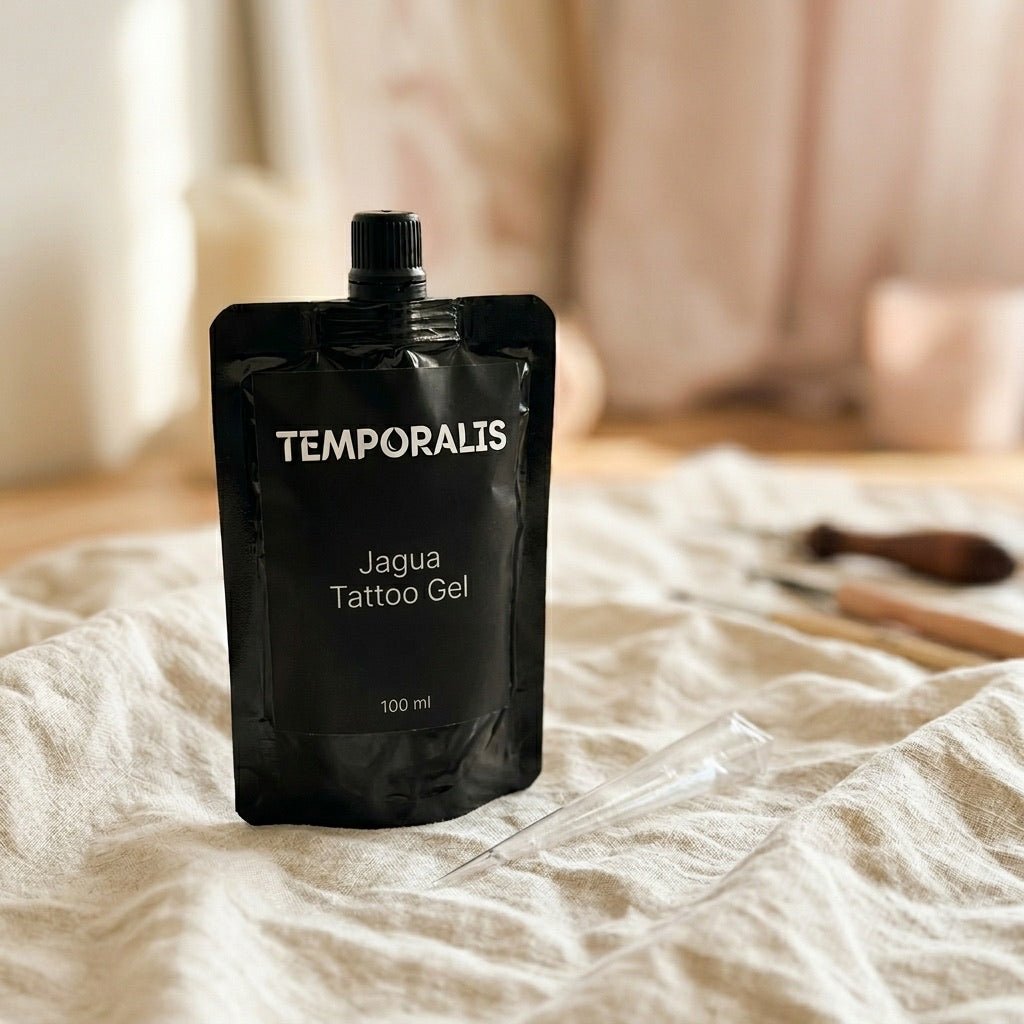
Jagua gel. No PPD.
The color comes from Genipa americana — the same jagua we use in our temporary tattoo gels. Pair with BAQ henna for hengua, or use solo for body art.
Free US shipping over $75
Frequently asked questions
What is hengua?
A blend of jagua fruit extract and henna powder used as a natural hair dye. Jagua provides cool blue-black tones. Henna provides bonding, conditioning, and a stable base. Together they produce deep brown to blue-black color without any synthetic ingredients — no PPD, no PTDS, no ammonia.
Is hengua safe if I have a PPD allergy?
Hengua contains zero PPD and zero PTDS — the two most common synthetic hair dye allergens. That said, allergic reactions are still possible (jagua is a fruit extract, henna is a plant), especially if you have tropical fruit allergies. Patch test 48 hours before, every time. Most PPD-allergic people tolerate hengua, but no product is universally safe.
Does jagua work on hair without henna?
It can, but results are inconsistent. Jagua's active compound — genipin — bonds well with skin proteins (perfect for tattoos) but less reliably with hair keratin. Mixed with henna, the color anchors and the result is far more predictable.
How long does hengua color last?
The henna component is permanent — it doesn't wash out. The jagua component fades slowly over 4 to 8 weeks, shifting from blue-black toward warmer brown tones. Touch up roots every 3-4 weeks, refresh full length every 6-8 weeks for consistent color.
How much does hengua cost per application?
For shoulder-length hair, you need about 25g jagua + 25g henna (50g total). That's roughly $12-20 per application depending on supplier. Compare to $60-120 for salon black color or $8-12 for box dye.
Is hengua safe during pregnancy?
As a precaution, ask your doctor for advice if you are pregnant or breastfeeding. Always patch test before use.
Can I use hengua on chemically treated hair?
Use extreme caution. Henna applied over chemical dye residue can produce green, purple, or muddy tones. Wait at least 6 months after your last chemical color. Strand test on a hidden section first — always.